
STORY AND PHOTO |
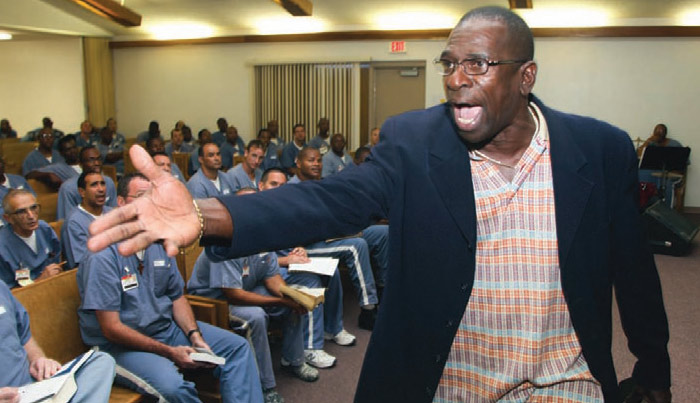 FIVE ELVES OF INTEREST - THE INMATES INSPIRATION
 DOCTORS AND HOSPITALS RIDING THE WAVE INTO DIGITAL RECORDS
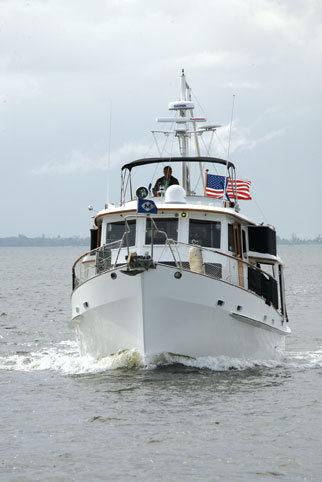 THE TRAVELING TRAWLER
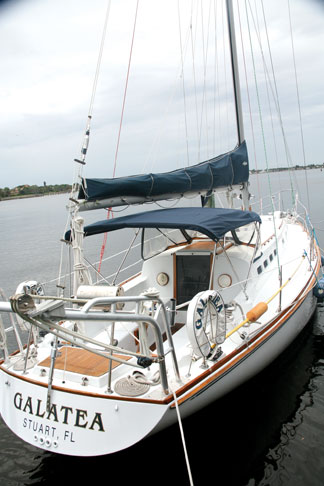 THE SAILING SCHOOL SLOOP
 THE PARTY BOAT
 THE FIELD-TRIP SCHOOL
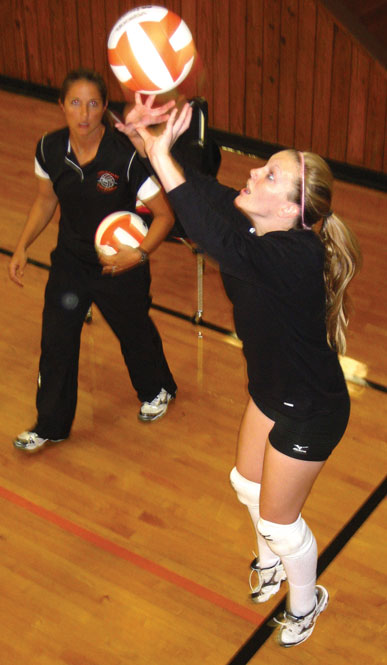 THE SCHOLAR ATHLETE
 Irish step dancing — after a thirst to learn — was Durham's first passion before she entered organized sports. "Crystal is a bundle of energy," says Chanda Newman, her dance instructor for 12 years at The Rondeau School of Irish Dance. "She wants to please everybody. She's a perfectionist. She does everything — school, dance, softball, volleyball. She has a great ear for music, rhythm and muscle tone."
 THE FUTURE FLYER
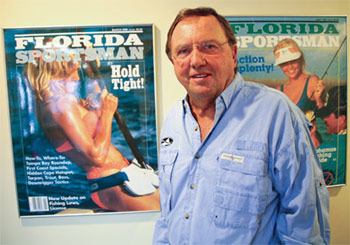 CAMPAIGNING FOR CONSERVATION
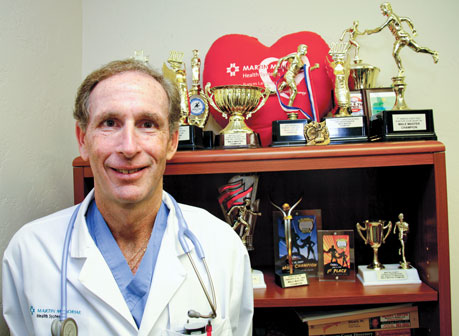 The Running Man
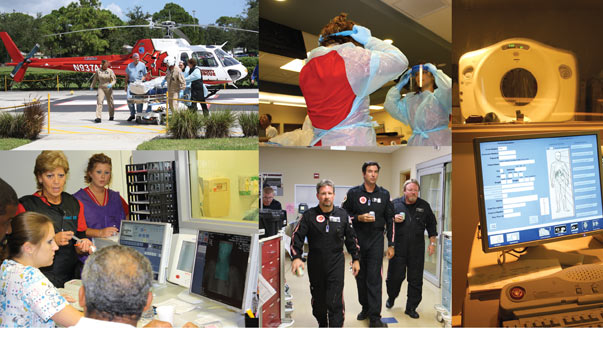 The DRAMA of TRAUMA
 The Treasure Coast's Dr. Father & Dr. Sons
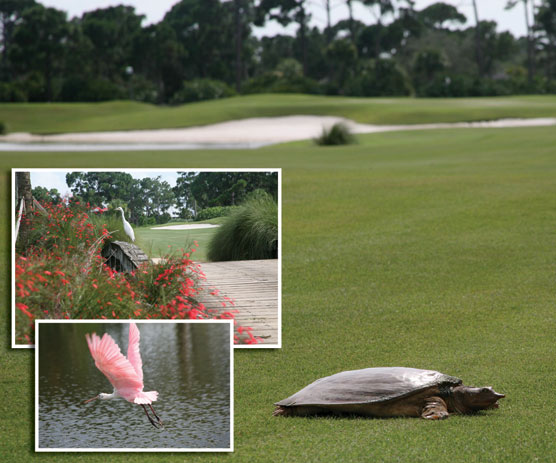 Birds & Birdies
 The Bright Hour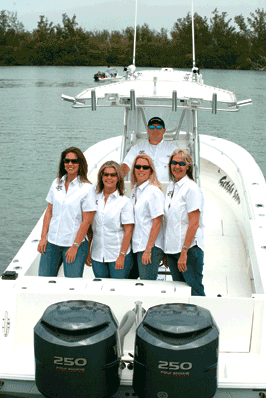
Getcha SomeSTORY AND PHOTOSBY GREG GARDNER In the rough waters of competitive kingfishing, few women dare to fish much less field a team that places second out of 300 boats in the invitation-only nationals. The four Fort Pierce women fishers aboard Getcha Some are lifelong friends who along with Captain Robbie Yancy brought home the trophy and a 21-foot Contender last year from Biloxi, Miss. The most important piece of equipment in their efforts was a 31-foot Contender fully loaded with all "the bells and whistles," said Melissa Blandford. "This boat is special because we're the only boat in the SKA [Southern Kingfish Association] that has an all-female crew," she said. "We're not out there for a suntan. We're out there to fish." "The boat is bad to the bone and it is fast," said Christy Blandford. "And Robbie is a great captain. I've done all kinds of fishing, but kingfishing is my favorite. It's so exciting when you catch that big fish." After nine years on the SKA tour spending too much time and money fishing, Robbie Yancy sat down with his wife and asked how they could keep going. Joy Yancy suggested forming a team with her friends and Team Getcha Some was born. "The first tournament they were hooked," said Captain Yancy of his crew. "They ate it up and loved every minute of it. They pay attention and they listen. We have a great time." Yancy also has a few tricks to get that extra competitive edge from his boat. "I have a different T-top which has less resistance. I carry my rods on the side using special clips so they don't get a beat up. We have two separate bait wells and beanbag chairs for the girls." "I chose this boat myself because it is a fishing machine," said Yancy. "We drove 90 miles offshore and back three days in a row at 45-55 miles per hour. I wasn't the least bit worried about equipment failure. When the seas are 5 to 7 feet we still fish." "When the weather is rough we get to the fishing spot fast," said Dina Hicks. "It rides great and fast in rough water when you have to check in at a certain time. That boat and the way it handles. We have a unique crew," she said. "We're all lifelong friends and sometimes it's stressful and dangerous," said Blandford. "For us to be able to get off the boat at the end of the day and still be friends is pretty special in itself." |
|
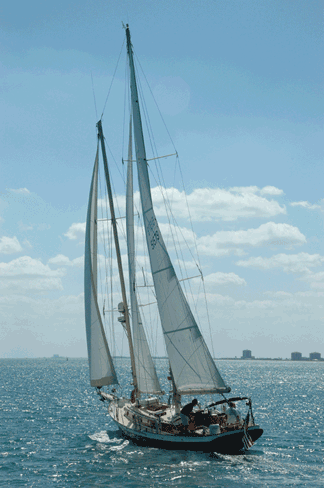
The HarmonySTORY AND PHOTOSBY GREG GARDNER While many sailboats spend a large amount of time sitting around with sails in storage, Paul Rubin's Harmony has logged more than 75,000 miles from the South Pacific to the Caribbean. You would never know it to look at the Harmony today, but the racing schooner sustained $180,000 damage after Hurricane Wilma. "I was tied up at the Pelican Yacht Club when a motor yacht broke loose and totaled four boats," Rubin said. "Mine was the only one that survived. There was no structural damage, but it takes forever to repair." Today the boat looks spotless with shiny metal and teak from stem to stern. Rubin keeps the boat at Harbour Isle in Fort Pierce, where he said the marina offers perfect protection from hurricanes with the surrounding buildings blocking heavy winds. When his business transferred him to Hong Kong, Rubin took Harmony apart, and shipped it to its new home on the South China Sea. After putting it back together again, he would log thousands of miles in the South Pacific. "The Philippines is the nicest place," he said. "You put into a harbor, go ashore and meet the most friendly people. There are some really beautiful islands. It is like going back in time." At the Royal Hong Kong Yacht Club, where Rubin is still a member, "there was always a conversation about what to do about pirates. You can't carry a gun. In some countries it is penalty of death. So if you surrender the gun, then you have to worry about whether you will get it back. Most sailors don't carry guns. We decided you unhook your propane tank, heave it onto the pirate boat and shoot a flare into the boat. They don't really bother sailboats. They want cargo ships or small tankers." The highlight of Rubin's sailing adventures in Asia was winning the 1996 China Sea Race with a crew of eight including sailors with five different nationalities. "It's the biggest race in Southeast Asia, from Hong Kong to Subic Bay, Philippines — 800 miles. It is the equivalent of the Newport to Bermuda race." Rubin plans to enter the 2009 Antigua Classic Yacht Regatta. "It's nice to get out there and race with the other classic schooners. It's more about the fun, but it is serious racing. It's a great big party." The Chesapeake Bay Schooner Race and the New York City Mayor's Classic are two other regattas Rubin has raced as captain of Harmony. Lately, he takes the boat out for day sailing every other week and three or four times a year to the Bahamas. "I'm not ready to give it up yet," Rubin said. "I enjoy just working on it. I was varnishing all day today. I will keep it up as long as I can raise the main sail." |
|
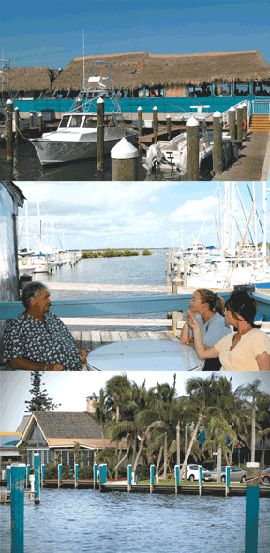
Tie Up and DineBY GREG GARDNERTaking the boat out each weekend to try a new place for lunch will take you almost six months to tie up at the two dozen waterfront restaurants on the Treasure Coast. That doesn't include the restaurants in downtown Stuart, Fort Pierce and Sebastian within walking distance of public docks. Martin County boasts a dozen riverfront locations, St. Lucie County has seven and there are five scenic eateries in Indian River County. "We have 26 boat slips to accommodate up to 70 feet with a 5-foot draft," said Frank Kilian, general manager of Finz Waterfront Grille. "On weekends about 25 percent of our business is boat traffic. We keep the slips open." Kilian said one couple rides up three or four times a month and order food they eat on their boat. Food yes, but alcohol, no. "We can't sell alcohol to go," he said. The Manatee Pocket in Stuart is popular on sunny weekends with Shrimper's, Finz, Bare Bones Grill and Brewery and Pirate's Cove Resort and Marina all almost within sight of each other. Pirate's Loft Restaurant offers poolside dining and a place to cool off after a day at the Stuart sandbar off Sailfish Point. "The weather is a big factor," said Bones Maxson from the Pirate's Cove Marina. "On the nice weekends people are off and they come in here. We have a pool and reggae." Two especially picturesque spots are next to the Roosevelt Bridge in Stuart, the Pelican Cafe and Fiji's. Both are accessible from the city docks, which fill up quickly once a month for the Sunday jazz concert. Within a half-mile are a dozen restaurants in downtown Stuart. Another popular riverfront destination is the Dolphin Bar and Shrimp House, one of the oldest locations in Martin County. Formerly Frances Langford's Outrigger Restaurant, The Dolphin has retained its Polynesian feel and has an interesting shrine to Langford. Its boat slips, which were recently renovated, are again open for boating diners. Another rustic building is Conchy Joe's Seafood just north of the Jensen Beach Bridge to Hutchinson Island. It was heavily damaged by the two hurricanes, but recent renovations shored up the main building, which dates back to the 1920s. A quiet restaurant west of the old Roosevelt Bridge is The Deck. A little farther north on the east side of the new bridge is Wahoo's on the Waterfront. Warm weather and live music draw people to the outside tiki bar. Port St. Lucie's boating destinations are both on the North Fork of the St. Lucie River, Club Med Sandpiper and Hurricane Grill and Wings. On the way to Fort Pierce is the Landing Restaurant at the Nettles Island Marina. In downtown Fort Pierce there are a dozen restaurants within walking distance including Cobb's Landing and The Original Tiki Bar of Fort Pierce. Boaters who prefer a location near the South Bridge can stop at 22 Fisherman's Wharf and those north of the North Bridge can stop in at Harbor Cove, 1930 Harbortown Drive. In Indian River County, Vero Beach's most popular place on the water is the Riverside Café under the north bridge. But for sheer size Captain Hiram's in Sebastian is the king with huge crowds jamming the riverfront each weekend. Bob Litchfield has been boating local waters since 1965. Every week or so he heads out for food and drink at a different spot. "We go out to eat and we like to fish at night," said Litchfield. "We keep live bait in the well. I've caught a lot of snook off the dock at Conchy Joe's. I don't keep many of them. We eat at the restaurant and let the fish go. Your game fish are nocturnal. Dock lights attract predators and bait," he said. Bob Henderson of Palm City likes to take his 46-foot Sea Ray for lunch with his friends. As he prepared to shove off from Finz in Port Salerno, Henderson said he likes to get out once a month usually to the Manatee Pocket where he has four choices to dine. "The Waterway Cafe (in Palm Beach Gardens) was my favorite spot, but now it costs too much to go there," he said. Steve Bohner likes to take one of his two boats out each weekend to enjoy dinner on the water. "It's a nice way to go by water," he said. "You can go anywhere. There is no traffic. It's a nice leisurely cruise. We're blessed to be able to go around Stuart by boat." |
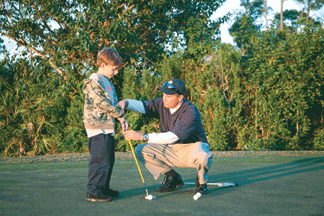
Academy of GolfSTORY AND PHOTOS BY GREG GARDNERIn just five years, more than 2,700 students from all over the world have gone through the Jensen Beach Golf Academy, the first program of its kind on the Treasure Coast. "I'm the initiator, not the imitator," said Robert Petelinkar, director of golf at the academy, which is accredited by the PGA and staffed with four other teachers. "There was no structured program on the Treasure Coast. I decided to do it because I wanted to grow the game of golf." Watching the 43-year-old Petelinkar, known as "Bobby P," at work is a lesson in patience and enthusiasm. He is always upbeat as he eggs his students on with humor and encouragement. A recent class had a retired couple, a high school freshman and a couple of other golfers in between. "He's funny. He's more like a kid," said Jimmy Pembroke, who hopes to make the golf team next year at Jensen Beach High School. "He's one of the greatest teachers for golf. People at my school say he is the best. If I make a bad shot, he fixes it. He has tools to help keep your arm straight, show you the right swing plane and a mirror to show you your body's alignment." While students have ranged in age from 3 1/2 years to 93, Petelinkar relates especially well to teenagers. "His real forte is the kids," said Paul Howley, an occasional fill-in instructor and owner of Eagle Marsh Golf Club, where the academy is based. "He's very patient. He's good at transmitting the message in a fun manner. He's pleasant and energetic. He enjoys working with kids. He's forming them more than just teaching them golf. He teaches them manners and respect. And he's got a pretty good success rate." Petelinkar said his most successful students are twins Daryl and Derek Fathauer, whom he taught during his first academy class. The two college seniors are nationally ranked and are No. 1 and 2 on the University of Louisville golf team. "Their work effort and internal drive not only to beat each other but be the best they can be is what motivates them to become PGA tour players. They help me teach the kids during the summer. They are always willing to chip in." Petelinkar said another student of his to follow is Maria Castellanos. "She is a senior at Jensen Beach High and she is going to the University of Louisville," said Petelinkar, who has been her mentor over the past few years. Another academy graduate, 7-year-old Sean Gardner, is ranked 82nd in U.S. Kids Golf. Yet even older golfers show up at the academy for lessons. Pierre and Christine Desbiens, a snowbird couple from Montreal, are in the third year of instruction with Petelinkar, but their experience isn't just about golf. "We come here for golf lessons, but it's part social, part golf," said Christine Desbiens. "He corrects our bad habits and gives us confidence. He changed my swing, but it took two years. I had bad technique. With Bobby we are not stressed. We like to learn." "It's a group of people having a supervised practice. One on one is pressure," said Pierre Desbiens. "If you practice by yourself, you practice your mistakes. When you practice in a group you correct your flaws. I have been teaching flying all my life. One of the first qualities of an instructor is you have to love what you do and be able to transfer your knowledge in an enthusiastic way." Justin Ferraro, 7, sees his lessons a bit differently. "It's almost the best thing I have ever done. Whenever I step out of the car here it changes my life. He gives us nicknames and we learn. Mine is 'just in time.' I want to be a golf champ," Ferraro said. Petelinkar said the hardest thing is to teach someone who doesn't have the drive to be a student of the game or the physical ability. "When a father or a husband pushes them, the defense mechanisms are up and you can't penetrate that." Although he teaches six to seven days a week from morning until dark, Petelinkar manages to play 18 holes twice a month. The first day he arrived at the first tee at Eagle Marsh he was running late. He loves to tell the story of how he hit two huge shots to the green and drained the putt for what he thought was birdie three, only to find out he had made an eagle on the par five. He's been a fixture at Eagle Marsh ever since. "I can express my passion for the game of golf and the people I meet. I teach people from all over the globe. I have been given the ability by Paul Howley to fulfill a dream, play golf and get paid for it," Petelinkar said. "When a student can square up the clubface and hit the ball with distance, it's a good feeling. The money is a great attribute of my efforts. If I was independently wealthy, I would do it for free." |

The ART TeacherSTORY AND PHOTOSBY GREG GARDNER As the only art teacher at Felix A. Williams Elementary School in Jensen Beach, Kathy Kernan can't event count all the different hats she wears each week. During a recent early dismissal day, Kernan was manning a bullhorn following the students' walk around the school's track. Amid a cacophony of energetic, bubbling kids, she showed the skill of an experienced cowhand in rounding them up before they headed back to class. "I teach every child in the school," said Kernan, a 21-year art teacher in Martin County. "All 660 of them pass through my doors once a week. It's fast paced. It's hectic. It's exciting. There is a lot of prep for six shows a day." In addition to her six classes a day, and each class certainly gets a show, Kernan serves on several schoolwide committees, annually makes the school teacher of the year banner, prepares the school's art display for the Martin County Fair, and finds time to volunteer as mentor for a small fifth-grader named Riley. "He gets that one on one," Kernan said. "I help him with his other classes. Mostly I'm there to ask him if everything is OK. I try to be there for him." Howard Marder, assistant principal at Williams, said Kernan is eager to pitch in to do what's needed for the school. "She facilitates schoolwide events and is a valuable staff member to Felix Williams," Marder said. "She's a team player. It's very easy to give her accolades," Marder said. And her peers have three times recognized Kernan's commitment to inspiring her students. She was named Teacher of the Year at J.D. Parker Elementary in 1989 and again in 2002 at Felix Williams. But the biggest recognition came later in 2002 when Kernan was named Martin County Teacher of the Year. "There is a good feeling about getting kids to work from the inside of their thoughts and ideas and bring that to the outside in the form of expression through visual arts," Kernan said. "The hardest thing is stopping after 45 minutes when they are really into it and they don't want to go and I don't want them to go. When I see the parts of what I do displayed as a whole and when I see the variety and talent I say, 'Wow. Look at what they are doing.' It's cool. They inspire me." Kernan's influence lingers long after the kids leave Felix Williams. "Every day I teach I hear her name all day long," said colleague Kathleen Bartemes. "She entertained them. They love Miss Kernan." Despite her love for her students and her work, Kernan worries about the future of teaching and the arts. "I worry about budget cuts and the arts getting put on the chopping block. I feel passionate that it's important that we keep art in public education. The kids love it. They need it. They benefit from it." Created on 12/27/2007 08:25 PM by ind1an Updated on 02/25/2008 11:11 PM by ind1an |
|

Twin ForceSTORY AND PHOTOS BY GREG GARDNERIn 10 short years, twin brothers from Jensen Beach have gone from their first golf lessons to being among the best collegiate players in the country. Derek and Daryl Fathauer, 21, are in their last semester of eligibility at the University of Louisville and are almost certain to make the PGA Tour as pro golfers, according to their coaches and mentors. "They've really progressed. They have the ability," said Frank Dobbs, golf pro at Eagle Marsh Golf Club in Jensen Beach. Dobbs, a player in two U.S. Opens and three PGA championships, said he mentored the boys, giving them little tips and bits of advice during the hundreds of skins games they played together at Eagle Marsh. "If they choose to, they will make it," Dobbs said. "When they came here, their swings were all over the place, heads moving. They were out here seven days a week every moment until dark. They kept working at it." The red-haired identical twins are both very modest and say they are equally matched as golfers. "We both want each other to do well," Daryl said. "We always root for each other. One day one of us is better. The next day the other." Both young men are quick to credit their grandmother for pushing them into golf. And both are equally grateful for all of the golf courses that opened up their links for them to sharpen their skills. "We were 10 and our grandmother bought us clubs and gave us lessons," Derek said. "We used to watch golf with her and talk golf, eat dinner. It was fun. Eagle Marsh and Pine Lakes. If it weren't for the people there we would have given up on it." Bruce Yeates, manager at Pine Lakes Golf Club, remembers their perseverance. "They would rush home after school, get their bikes and clubs and come to the course," he said. "They would clean up for me and then they would play, sometimes 54 holes. They would play until dark. They would practice all the time. They didn't want to go to the beach. They were a pleasure to have around." John Sweeney, who works at Pine Lakes, also remembers their work ethic. "They weren't afraid to work and they loved to golf," he said. "They lived golf. They were little tots when they came. Now they're grown up. They did whatever you asked them to do. No questions. No problems. Nice boys, very polite. Something we need on the pro tour are boys like them. I hope they have a lot of success and they get on the pro tour. I know that's what they want." The twins' first goal is to finish school and get their degrees in sports administration. "There's no way we will skip out on our degrees," Daryl said. "We owe it to the school and our parents to finish school. We are not all-star students because our main focus is on golf." The Fathauers have been on full scholarship since their freshman year and have been No. 1 and 2 on the University of Louisville golf team since they arrived. "After our freshman year we could have transferred somewhere else, but they gave us the opportunity and it wouldn't have been right to leave," Derek said. Both brothers have shot 11-under par 61. Derek has had three holes-in-one while Daryl has had two. Their father, Jay, said his sons want to market themselves after college as a team. "They want to do it together," he said. "They would be a team for a sponsorship package." "Two years ago Derek won the big East Championship. This year Daryl won it. Two years ago Daryl was No. 1 on the (Louisville) team. Derek was No. 1 this year. It's been great watching them grow up and playing golf. I'm not a golfer. It's been a godsend. They found this sport golf at age 11 and they're still doing it. They'll probably do it until they die. Golf is like a lifetime sport." Growing up as twins and learning the game of golf together has given them an advantage, he said. "They each have someone to play with all the time. They practice together. They share a car, live in the same house. Twins are unique. They tend to know what each other is doing. They kind of move together. Twins have a special bond." Derek said his parents have also been a large part in their golf success. "They played a really big role in it," he said. "We couldn't have done it without them. They signed us up and took us to the tournaments." Their four years at college has brought maturity to the Fathauers, according to University of Louisville Men's Golf head Coach Mark Crabtree. "They're great young men. It's been a great experience for them and for me personally to develop a relationship with them, to watch them improve, watch them accomplish some of their goals and watch their excitement grow for the game of golf." "They are very coachable young men. Today, a lot of young kids believe they are coachable, but they really don't want to be coached. They have a real passion for the game. A lot of young men think they have a passion for the game, but they don't. The next three to five years will test the waters to see if they have what it takes," Crabtree said. Asked where Derek and Daryl Fathauer rank among the golfers he has coached over the past 21 years, Crabtree said without a split-second's hesitation, "One and two." Created on 12/07/2007 09:14 PM by ind1an Updated on 01/20/2008 11:27 AM by ind1an |

The Holiday VolunteerSTORY AND PHOTOS BY GREG GARDNERJeanette Mueller's volunteer spirit has no limits. She is highly contagious as she infects others with the drive to help those less fortunate. A petite woman with a radiant smile, Mueller is passionate about her public service as she juggles her daily routine to support the organizations dear to her heart. The Big Heart Brigade of the Treasure Coast, Take Stock in Children, the Arts Council of Martin County, and Soroptimist International of Stuart all benefit from Mueller's seemingly endless enthusiasm. But she sees the big picture, always looking to the future and how the next group of volunteers will be in place to continue carrying the torch. "When I see the younger generation get involved at the next level, volunteering for these charities, I get jazzed about that," Mueller says. "You have to provide a system that will give the organization a plan for succession. Who's up next? Who's on first? Who's coming behind me?" For the past 10 years Mueller has served on the Big Heart Brigade board of directors, including four years as chairman. Currently, she is fund development chairman. "Last year we served 30,000 meals and we will serve 30,000 again this year," Mueller says. "We come to the rescue of those in need, particularly at Thanksgiving. We also provide scholarships and help people pay medical bills." Local firefighters and emergency personnel are the backbone of the Big Heart Brigade. Last year, volunteers cooked 100 turkeys at a time in a huge cooker known as "Mondo." Steve Wolfberg, vice president of the Big Heart Brigade and former director of emergency services for Martin County, marvels at Mueller's ability to rally the troops. "She's a dynamo with energy, ideas and follow-through and she looks way beyond what is immediate," Wolfberg says. "That translates into providing more Thanksgiving dinners, fundraising and special events. She's a joy to be around, always positive. There's an awful lot you can learn from her. Sit back, watch and hold on for the ride. Rarely do you find an individual like Jeanette who has that passion, drive and commitment. Martin Fire Lt. Scott Schlawiedt sits on the Big Heart board and serves on the cooking staff. "She (Mueller) is always trying to get people involved through volunteering to better our community," says Schlawiedt. "She is one of the vertebrae. She keeps this organization going." Mueller has been active in the Arts Council for the past 18 years. Currently she is chairman of its board of directors. "She's chaired just about every committee we have," says Nancy Turrell, Arts Council executive director. "She has enthusiasm, energy, dedication, and a passion that the arts matter in our community. She is one of those people who gives 150 percent. She has taken the lead to bring in much-needed funds. It doesn't get any better than Jeanette." Joe Catrambone, president and chief executive officer for the Stuart-Martin County Chamber of Commerce, has seen firsthand Mueller's ability to turn around a charity in trouble. "Our Martin County Youth Leadership program was floundering," he says. "Jeanette took over as chairman and she had it running like an organization should. She knows how to run a meeting. She's very organized. She can multitask better than anyone I have ever known. Her presence demands attention. I have never seen her use a gavel. She has always had excessive energy," says Catrambone. But last May the community nearly lost Mueller's energy when she went into cardiac arrest at her Palm City home. Her husband happened to be there and was able to revive her until paramedics arrived and shocked her back to life again. "My husband interestingly enough had played in a golf tournament to raise money for the cold blanket therapy called Arctic Sun," Mueller says. "I was one of the first people to use it. It was real touch and go. I was gone and they were able to jumpstart me. I was in a coma for several days." Mueller believes her years of dancing and working as a fitness instructor probably saved her life. "I teach seven to ten fitness classes a week," she says of her only paying job. "I've always been interested in fitness." Another of Mueller's interests is the mental fitness of at-risk children. She has mentored a half-dozen children for the Take Stock in Children program through Indian River State College, giving them guidance during their four years of high school before they go on to college. "Jeanette has been a fantastic mentor," says Erin Cox, program coordinator for Take Stock in Children. "She guides the students and motivates them. She keeps them on track and focused. We certainly appreciate her and she is an asset to our program." "She has been there for me emotionally and financially," says IRSC student Nicole Durham. "She is my mentor. I am in college and we talk all the time. She is always helping someone else. I'm thankful that she's in my life." "I like working with at-risk kids," Mueller says, "someone who really needs help. They need someone who can be a consistent part of their lives, to be there and to listen to them. These kids are for the most part not overachievers. They won't have the scholarship opportunities that other students do. "It's easy to sit with younger kids who are cute and who are doing well. Working with kids who have issues and challenges is a more interesting choice for my time." Since the day her heart stopped, Mueller has slowed down some, but she still puts in a full-time effort week in and week out. "Juggling all of this coming off my health issues while I'm still recovering is hard," she says. "Family, my health and volunteer organizations, I thrive on that. It's hard not to work at my full capacity, but I'm not complaining." And neither are the thousands of people on the Treasure Coast who benefit each year from Mueller's dedication to her fellow man. Name: Jeanette Mueller Age: 58 Family: Husband, Larry; sons, Beau, 27, and Kyle, 22; daughter, Steffanie, 25. Background: Graduate of Key West High School. Father was a U.S. Navy chief petty officer. What most people don't know about me: "Probably that I do have a musical background. I sang in a girl's barbershop quartet that won many honors around the state." Favorite holiday memory: "Christmas with family and all the preparation for the annual Christmas card photo. When our daughter was 15 we gave her a cell phone, wrapped as a present and placed under the tree. We then called the number as she was opening presents and she realized the phone was for her." |

Fuel From The SunSTORY AND PHOTOS BY GREG GARDNERSolar power is now being generated on a huge scale in Indiantown at the Martin Next Generation Solar Energy Center, the largest of three solar fields operated by Florida Power & Light. With 500 sprawling acres that provide space for 192,000 rotating mirrors, the solar plant creates steam for turbines at a natural gas plant, generating power whenever the sun is shining. The hybrid-solar thermal facility is the world's first tied to an existing natural gas plant. "The project continues to progress ahead of schedule," said Greg Brostowicz, lead media relations specialist for FPL, on a recent slow drive around the solar field. "The facility is producing electricity for our customers with free fuel from the sun, directly reducing fossil fuel usage, and right now we are fine-tuning the systems to optimize performance." Aside from the wind, the massive array of glass, steel and aluminum is eerily silent except for a "tink, tink, tink" every few minutes as the frames follow the sun across the sky. The mirrors were manufactured in Spain at the only kiln large enough to handle the job. The German-made pipes carry 700-degree fluid to heat water, making steam to power the turbines. The 7,100 steel pylons support 6,800 aluminum frames that hold the mirrors as they follow the sun from east to west. Lauren Engineers and Constructors from Abilene, Texas, supervised the project, which provided 1,100 jobs over two years. It was originally projected to cost $476 million, but FPL now estimates the price tag to be $400 million. As solar power's popularity worldwide has grown over the past three years, so has the volume of production, driving prices down. FPL estimates the plant will avoid the emission of 2.75 million tons of greenhouse gases that would have been produced from fossil fuels over its estimated 30-year lifespan. According to the Environmental Protection Agency, that is the same as taking 18,700 vehicles off the road every year. Electricity for 11,000 homes will be added to the power grid now in use by the existing oil and natural gas plants on the site. "It's definitely an advantage to be right up against the existing infrastructure," says Brostowicz. FPL's DeSoto County solar field is in a rural area and the Brevard County voltaic cell solar project is under construction near Kennedy Space Center. When complete, the Indiantown plant will employ just a handful of people. FPL's goal is to spray every mirror down once a day using a truck to drive the 52 miles of aisles between the rows of 30-foot-tall shiny glass. At 75 megawatts, the Martin County plant is the largest thermal solar field outside of California. Adjacent land could be used for future expansion. When FPL's three plants are online, Florida will be the nation's second-largest supplier of utility-size solar power. Created on 01/26/2011 |
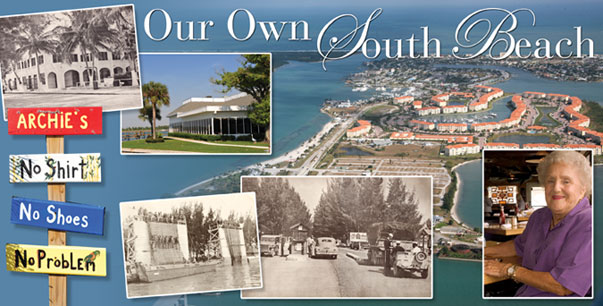
Our Own South BeachSTORY AND PHOTOS BY GREG GARDNERSouth Beach in Fort Pierce in the 1930s was a collection of ramshackle houses with a sole destination spot known as the Casino, where folks from the mainland came to gamble, drink, dance and swat mosquitoes. Today, South Beach is almost heavily developed with the Ocean Village, Harbor Isles and condominium complexes surrounding single-family homes. The place locals call South Beach runs from the Peter P. Cobb South Bridge north to the Fort Pierce Inlet and south to Ocean Village. South Beach is part of Hutchinson Island, a long island between the Atlantic Ocean and Indian River that extends from the St. Lucie Inlet in Stuart north to a small pass near Queen's Cove on North Beach in Fort Pierce known as the Indian River Inlet. It was named Hutchinson Island, after James Hutchinson, who received a homestead from the Florida Spanish governor. For years, the land was simply a stretch of uninterrupted beach but inhospitable terrain that deterred development. But that changed in 1927, with the creation of the Fort Pierce Inlet separating the island and providing a deep-water port for ocean-going vessels. Edwin Binney, inventor of the Crayola crayon, was instrumental in the financial efforts to build the Port of Fort Pierce and the new inlet. In those early years, folks would travel by ferry and then later over a rickety wooden bridge to go to the beach and visit the Casino, just west of the present jetty at the end of Seaway Drive. It was a kind of beach bar where folks could clean up from the beach, have a drink and dance to the jukebox. "From the time I was a little shaver my mother and father used to stop in for a drink and a dance," said Bill O'Dell, 82, one of the earliest residents of South Beach. "There were slot machines there in the 1930s. We would come by ferry to South Beach and land at Jaycee Park." Eighty-year-old Fort Pierce native Spencer Gilbert, who has lived on South Beach for the last quarter century, also remembers trips to the casino as a child. "When I was a boy I would play in the park in front of the Casino with my sister," Gilbert said. "There was nothing exciting about it, but it was the only place on South Beach." That was until 1943, when the U.S. military invasion of South Beach in 1943 changed Fort Pierce forever, bringing 140,000 troops over three years to train for amphibious landings during World War II. THE WAR YEARS A gate was set up on Jan. 26, 1943, at the east end of the bridge to South Beach to bar civilians from the U.S. Naval Amphibious Training Center Fort Pierce. Barracks, a hospital and dozens of other facilities were built as soldiers trained for beach invasions while sharing tents with swarming mosquitoes. "The coming of the military changed the lives of the people in Fort Pierce and the aspect of a small town," 83-year-old native Charles Kroghan said. "As your patriotic duty you were asked to rent out rooms. We were willing to accommodate these men, with wives and children, who were headed to the battlefront. We thought they were going to the Pacific and their days were numbered. It turned out most of them went to Normandy or the invasion of Italy." "Our girls loved them," 80-year-old native H.B. Moore said. "The dances were once a week. A lot of those boys married Fort Pierce girls," he said. As a teenager, Moore worked at a citrus packing plant with a refrigeration unit the Navy had secured for its use. "I wore my brother's Navy fatigues and the military guys used to take me to lunch in their landing craft," Moore said. "They smuggled me in like I was one of them. They took care of me because I took care of their food." Moore was learning to fly with friends in J-3 Cubs and one day they decided to spiral down and buzz one of the landing crafts loaded with troops. "When we came back, they took our licenses. They told us if we did it again, they would shoot us down," he said. Spencer Gilbert's father owned the Burston Hotel in Fort Pierce that was taken over by base commander Capt. Clarence Gulbranson. Gilbert remembers the commander asking his driver to take Gilbert for a ride around the base. "It was impressive," he said. MOSQUITO PATROL But it was not all fun and games for the troops who came through South Beach. Men died, but no one really knows how many. "There were a lot of deaths that people didn't know about," said O'Dell. "I don't know how God himself could have lived there with the sand flies and mosquitoes. A Navy guard committed suicide. They used to run out and jump in the water. A hell of a lot of them went AWOL. They had the toughest training. They would drop them off with full packs and they would have to come to shore. We were fishing and one guy was yelling. He was going to drown. We rescued his butt," said O'Dell, who worked as a civilian during the base construction. More than 3,500 underwater demolition divers trained on North Beach and they literally rocked Fort Pierce. "The whole town would shake from the explosions," Gilbert said. There were many instances off the coast of German submarines attacking merchant ships. During one 48-hour period three ships were sunk off South Beach, including the Amazon. "They made mattresses out of newspapers in the halls of the hospital on Seventh Street for the sailors who were covered in oil," O'Dell said. "I later found enough Maxwell coffee cans to last my family through the war." 'DUMP AND RUN' The closing of the base after World War II was a classic case of dump and run. "They put trucks and tanks on barges and barges and dumped them in the Gulfstream," South Beach resident and Fort Pierce Mayor Bob Benton said. "Tons and tons of Army hardware, hand grenades and bombs." "When they decommissioned the base, the sailors would give us engines and a lot of stuff. I knew a guy who found a buried Jeep. He dug it out, cleaned it up and drove it around for years," said O'Dell. "Paint, ropes, ammo — they were all dumped out to sea in the Gulfstream. They didn't want it to get into civilian hands." To this day, ordnance washes up on Hutchinson Island beaches several times a year after heavy surf. Only one building built by the Navy on South Beach is left, the old Days Inn just west of the jetty. Now set for demolition, at the time it was the hospital with the best view in the area. The oldest building from before the war is just west of the old hospital on Seaway Drive. Also set for demolition, the two-story Mediterranean style building was converted into a dental clinic for the base. 'FIRST ESTATE' The first estate on South Beach was built in the 1930s by an eccentric Ohio man named Eric Scwartz who kept a lion on the property. Because of DDT contamination, the house on Faber Cove was carefully dismantled with pieces of the unique construction integrated into the clubhouse for the 18-unit Coconut Cove Marina condominium community. The Pelican Yacht Club was built with land bought from the Navy and donations from businesses. After extensive remodeling over the years, the club has become the second largest waterfront facility in St. Lucie County with the capacity to host large civic and social functions. Rebuilt after a 1988 fire, it has three dining rooms, a swimming pool and full-service marina. While other barrier islands became known as luxury seaside resorts, South Beach is better known for its rustic charm, with places like Archie's Seabreeze, which originated in 1947 as a shack that sold beer and was later bought and expanded in the 1960s by Archie Summerlin. Today, the eclectic restaurant on State Road A1A still offers outside dining and music on the weekends. Chuck and Elodie Tabor opened another landmark South Beach restaurant, Chuck's Seafood, in 1961. "It was about the only place you could get anything decent to eat," said Elodie Tabor McCready. "It was a bar and we kept the bar open. We served fresh fish and shrimp. People would come for lunch from the hospital in their uniforms. People came by boat and canoe. We had a bigger menu than anyone else. We really stayed busy." LARGE DEVELOPMENTS Like much of the rest of Florida in the 1950s, the advent of air conditioning opened up South Beach for development. And people began to build houses. With the 1970s came the beginnings of the large Ocean Village development. In the 1980s, residents began to discover treasure from the 1715 Spanish Fleet that sank in a hurricane off the coast. The professional salvagers were soon in the water bringing up everything from precious stones to cannons to gold and silver coins. Martin, St. Lucie and Indian River counties have since been referred to as the Treasure Coast. "We found 5,000 silver coins in two days," said treasure salver George Biggles. "We were pulling them up by the sandbags. We didn't have metal detectors then. We found a lot more back then than we do now. Beach renourishment has covered a lot of it up. These wrecks have been worked, he said. One wreck from 1815 lies due east of Archie's Seabreeze restaurant while another from the 1715 hurricane is a couple of miles south of Ocean Village, Biggles said. The biggest change to South Beach has come with the construction of the 864-unit condominium complex Harbour Isle. Even with its development, South Beach has been transformed from a haven for mosquitoes to a quiet, peaceful waterfront community. "I would call it paradise," Mayor Benton said. South Beach at a Glance Boundaries are from the east end of the South (P.P. Cobb) Bridge to the Atlantic Ocean, south to Ocean Village and west to the Indian River. Two square miles are within the city limits of Fort Pierce Home to: A U.S. Coast Guard Station 900 single-family homes 180 duplexes 68 multi-family buildings 11 restaurants More than two dozen businesses Five parks Attractions: St. Lucie County Historical Museum St. Lucie County Marine Center/Smithsonian Marine Ecosystem Exhibit Approximate population: 4,145 |
Return Home